Thank You for AskingSession 4 of 5
Who holds the practitioner or consultant?
The work is heavy and often invisible. How do you keep going?
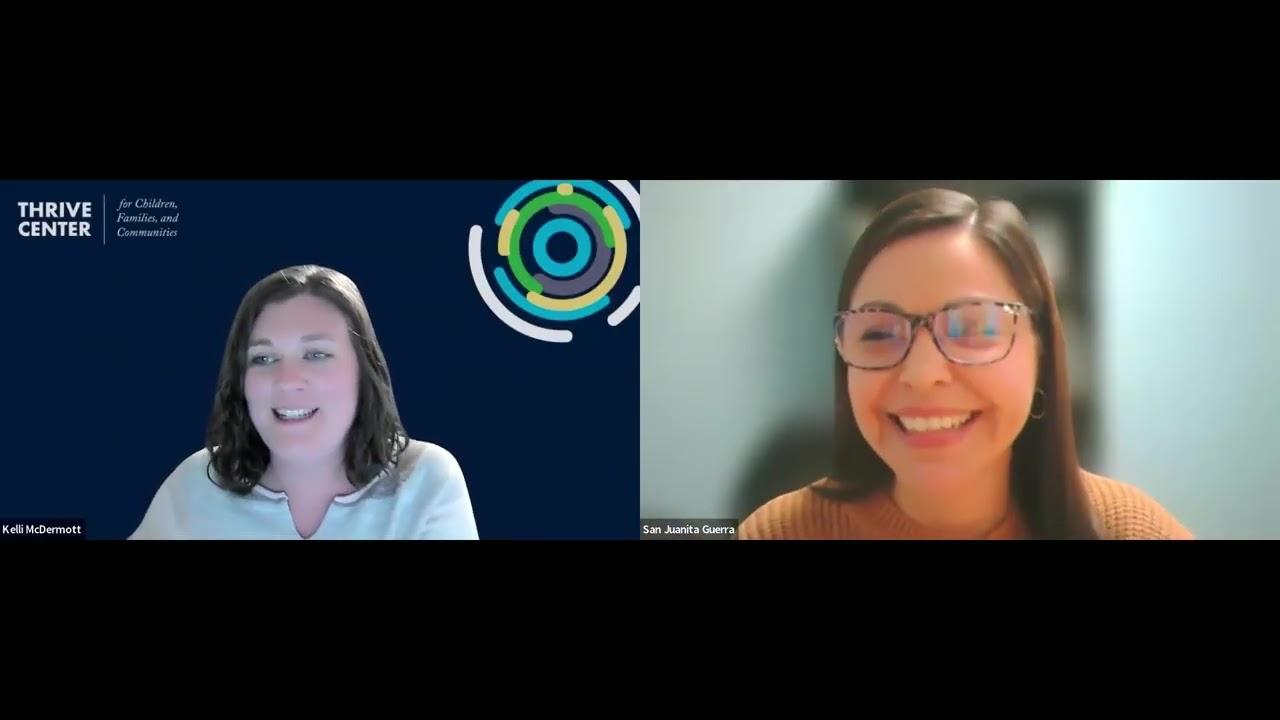
Presenters: Kelli McDermott, LICSW, San Juanita Guerra, MA, LPC-S

Recorded1 to 2pm ET
We hosted this free national webinar with AIMHiTN for child welfare teams and leaders. Speakers from Georgetown, Arizona and Wisconsin talked about what infant and early childhood mental health consultation looks like inside child welfare, and how it supports the people who hold the baby.
In partnership withAssociation of Infant Mental Health in Tennessee (opens in a new tab)
A baby melts down after a family visit. One reading says the visits are too disruptive. Another says of course it's hard to leave the people you love. She may need more connection, not less. Seeing that depends on the adults around her.
Practical Certificate in IECMHC
Build internal IECMHC capacity with our Practical Certificate. Designed to equip your existing staff with IECMHC skills.
The program is built for non-clinical staff, for practicing consultants, and for clinicians looking to add IECMHC to their scope.
See the Practical CertificateYour staff don't need a mental health license. In our 2026 cohorts, 75% of participants had none, and licensed clinicians lead the monthly reflective supervision for every candidate. Practicing consultants enroll to formalize their work against the national competencies, and clinicians have a pathway of their own.
Caseworkers and family support staff already help caregivers through hard moments with babies and toddlers. This program gives them the skills to do it more effectively.
It's $3,000 for the full 12 months, or $250 a month. A year of outside consultation at 4 hours a month costs about $7,200. If a staff member leaves at any time, we train their replacement at no cost.
Your staff don't need a mental health license. In our 2026 cohorts, 75% of participants had none, and licensed clinicians lead the monthly reflective supervision for every candidate. Practicing consultants enroll to formalize their work against the national competencies, and clinicians have a pathway of their own.
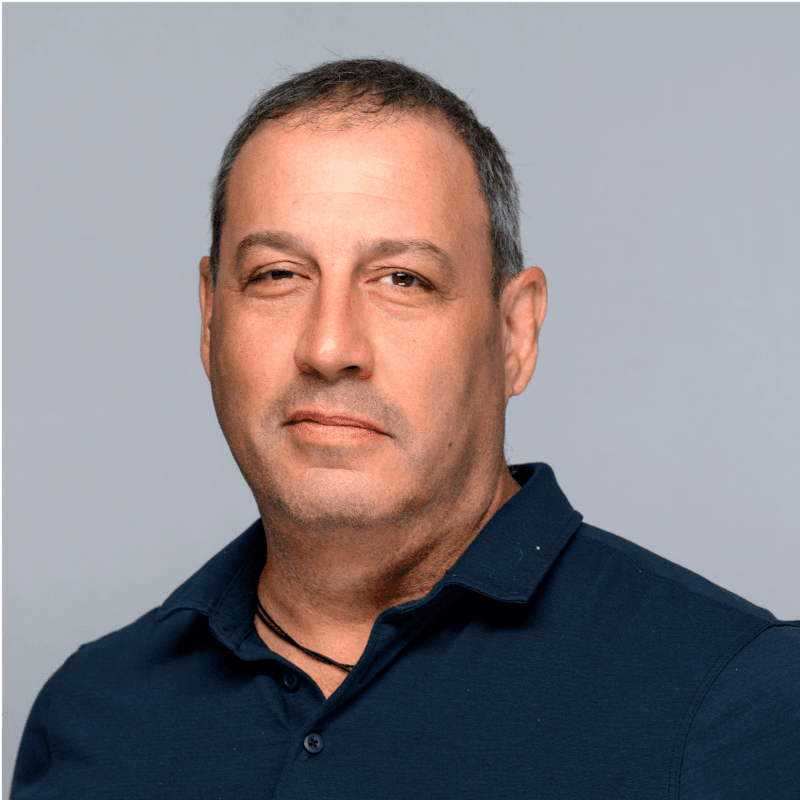 Neal M. Horen, PhDDirector, Infant, Early Childhood, and Relational Health, Phyllis R. Magrab Endowed Chair in Pediatrics, Thrive Center, Georgetown University; Chief Clinical Officer, Attunify.
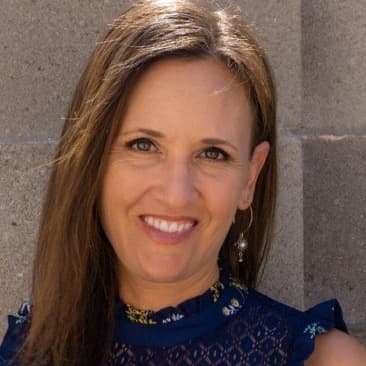 Monica McDonough, LMSW, IMH-E®Program Manager, Arizona Department of Child Safety. Leads five child welfare units in Southeastern Arizona and provides reflective supervision across the field.
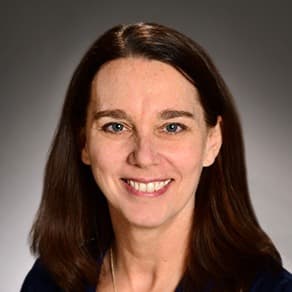 Molly Murphy Garwood, PhD, LPC, IMH-E®IECMH Supervisor, Children's Wisconsin. Co-directs a five-year SAMHSA grant expanding consultation across the continuum of care.
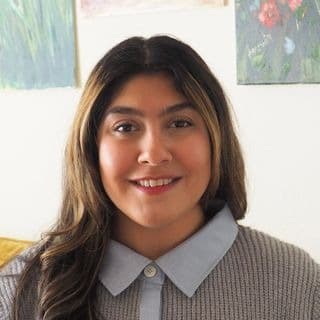 Golshan Motamedi, MS, LMFT, IMH-E®IECMH Consultant, Children's Wisconsin. Consults with treatment foster care, behavioral health and trauma-informed care teams statewide.
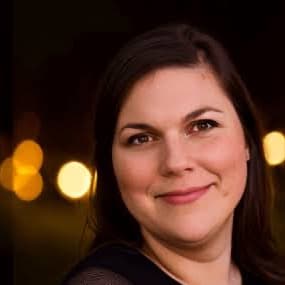 Jennifer Drake-Croft, MSSWAssistant Professor, Georgetown University School of Medicine.
Thank You for AskingSession 4 of 5
The work is heavy and often invisible. How do you keep going?
Presenters: Kelli McDermott, LICSW, San Juanita Guerra, MA, LPC-S
Presentation and discussion
Presenters: Sarah L. Davidon, Neal M. Horen, PhD, Shai Idelson
IECMH Leadership SeriesSession 2 of 6
How do you pay for consultation and convince the people who hold the money?
Presenter: Neal M. Horen, PhD
We send the next webinar, new tools, and field news once a month.