
What the research shows in each setting
Consultation works in more than classrooms. Each page below shows what the research says in one place young children are served. Every claim has a named source.
These five aren't equally well studied. The classroom evidence is the deepest because that's where consultation started. Where the research is younger, the page says so.
Consultation in 5 settings
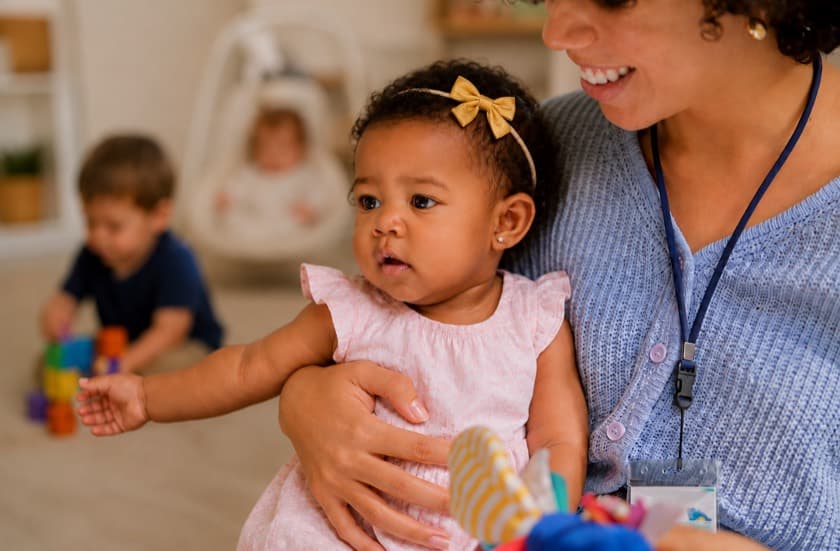 See the evidence: Early Care and Education
Early Care and Education
The child isn't the problem. The adults in the room are the answer, and consultation builds their skills.
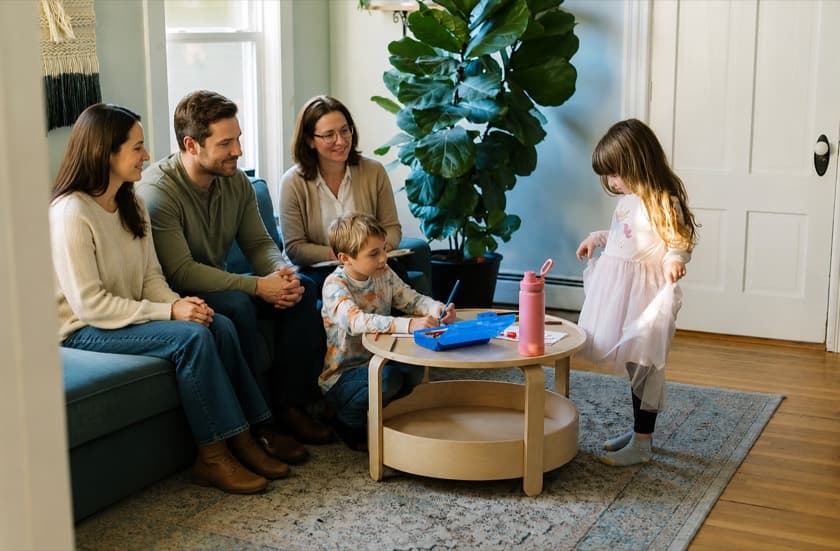 See the evidence: Home Visiting
Home Visiting
Home visitors often carry the earliest relationships in the system alone. Consultation gives them a partner who helps them understand what a family is going through and how to respond.
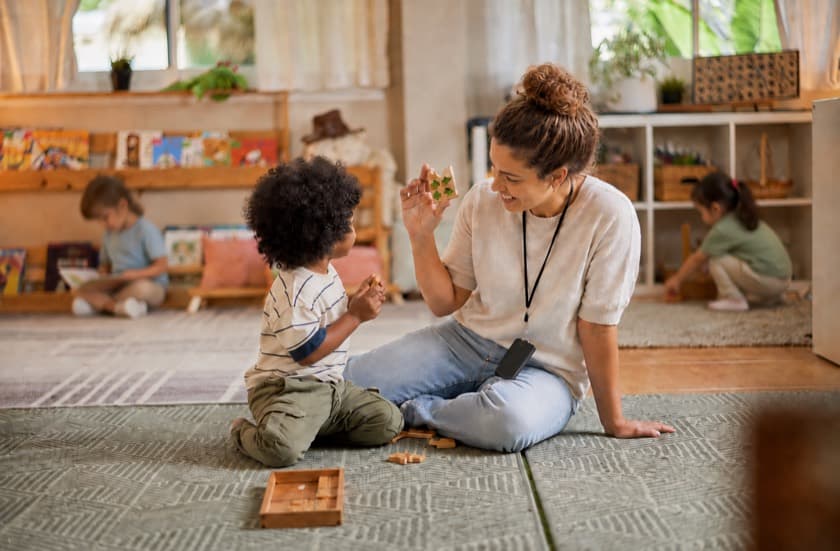 See the evidence: Early Intervention
Early Intervention
Early intervention teams are asked to support a child's social and emotional development alongside speech, movement and learning. Many do it without a mental health professional on the team. Consultation gives them one.
In early intervention, the evidence comes from state pilots and program evaluations, not peer-reviewed trials. It points the same way as the research in other settings.
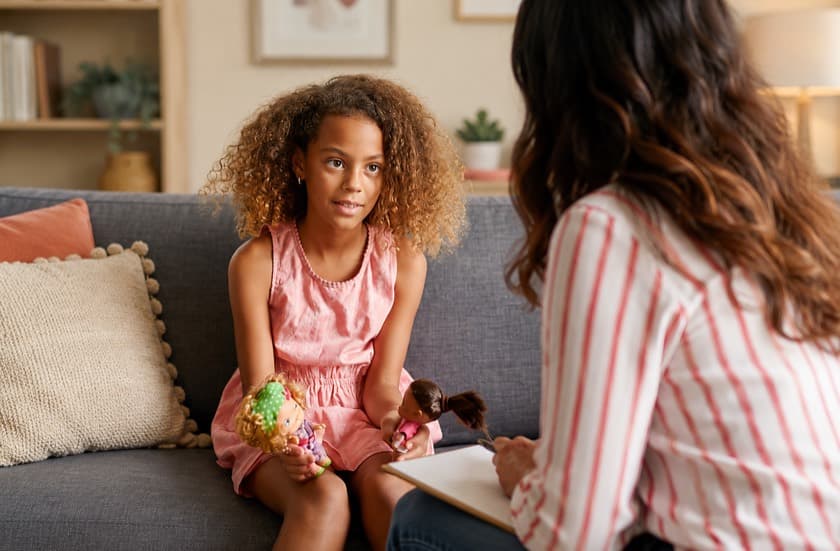 See the evidence: Child Welfare
Child Welfare
Children in foster care change placements, schools, and caregivers. Consultation steadies the adults around them so care doesn't become another disruption.
The research base in child welfare is younger than it is in the classroom. What's been published is promising. The count on this card is everything we can source today.
 See the evidence: Pediatric Primary Care
Pediatric Primary Care
Families already trust the pediatric visit. Consultation puts mental health expertise inside that visit instead of at the end of a referral list.
